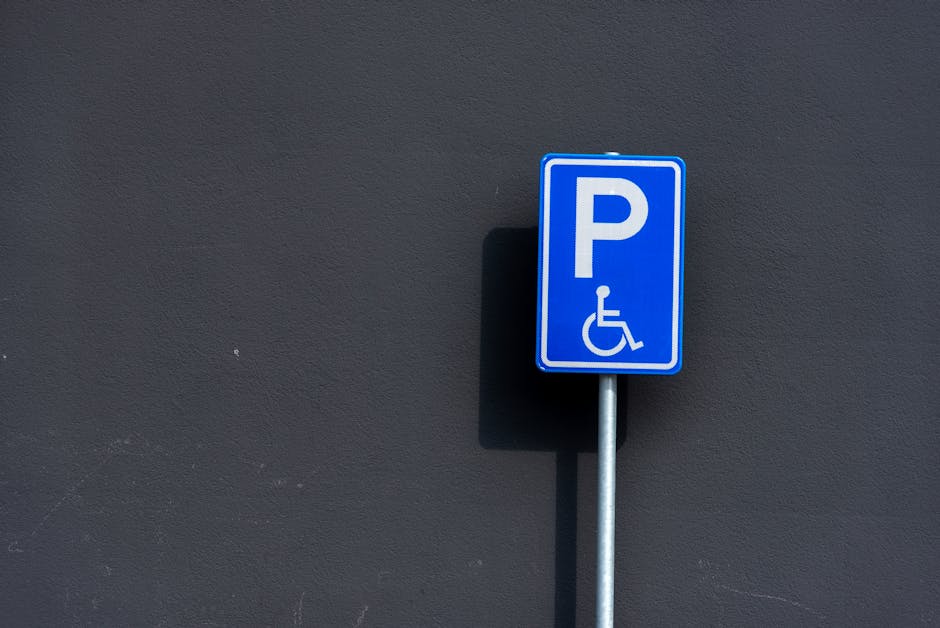
West India Quay man and van parking permit advice
Posted on 07/08/2026

If you are planning a move near West India Quay, the parking side of things can be the difference between a calm, efficient job and a slightly frazzled one. That is especially true for a man and van, where space is tight, timing matters, and even a few minutes spent circling for a bay can throw the whole schedule off. This guide gives clear, practical West India Quay man and van parking permit advice so you can avoid the usual headaches, protect the property access, and keep the move moving.
To be fair, most people do not think about parking until the van is already on its way. Then the questions start: can the driver stop outside? Do you need a permit? What if the loading bay is taken? What about tower access, concierge rules, or red routes nearby? Let's sort all that out properly, in plain English, with the kind of detail that helps on the day rather than just sounding nice on a page.
Why West India Quay man and van parking permit advice Matters
West India Quay sits in a part of Docklands where roads are busy, access can be narrow or controlled, and loading space is often in short supply. That matters because a man and van move is usually built around quick access: park close, carry safely, finish fast. If parking is not planned, the move becomes slower, more expensive, and a lot less tidy than it needs to be.
In this part of London, the real issue is rarely the lifting itself. It is the logistics around the lifting. A van might arrive to find a bay occupied, a restriction in place, a building requiring advance notice, or a loading area that is technically nearby but not practical with a sofa, boxes, and a lift that only seems to work when it wants to. You know the kind of thing.
Good parking permit advice helps you avoid penalties, reduce waiting time, and keep the driver focused on the move rather than on a frustrating search for somewhere legal to stop. It also helps residents, landlords, office managers, and tenants coordinate the day properly. In a dense area like West India Quay, that kind of planning is not a luxury. It is simply part of doing the job well.
There is also a trust angle here. A mover that understands local access is usually a mover that understands the wider job too: protecting floors, communicating clearly, handling timing properly, and dealing with awkward urban loading conditions without drama. If you are comparing removal options, that practical understanding can be more valuable than a flashy promise.
You may find it useful to read more about the wider Docklands context in this overview of Docklands, or browse the latest local guidance and moving tips if you are planning a move across the area.
How West India Quay man and van parking permit advice Works
Parking and permits around West India Quay usually come down to three things: where the vehicle can legally stop, how long it can stay there, and whether the property or street has its own access rules. For a man and van move, those details matter just as much as the boxes.
In simple terms, the process usually looks like this:
- Check the exact pickup and drop-off addresses.
- Identify whether the van can use a loading bay, a permit bay, or a short-stay legal stop.
- Confirm whether the building requires advance booking for a loading area or delivery slot.
- Work out the likely length of time needed for loading and unloading.
- Plan for the possibility that the nearest space is not available when you arrive. Because, honestly, that happens more than people expect.
Different properties handle this differently. Some apartments have dedicated loading access but only during certain hours. Some developments require the driver to report to reception or security first. Others rely on nearby public parking and a brisk carry to the entrance. The right advice is never one-size-fits-all. It needs to match the property, the time of day, and the type of move.
If you are moving out of a flat, especially in a high-rise building, it is worth looking at the broader access considerations too. Our guides to flat removals in Docklands and high-rise moving tips are useful companions because parking is only half the story. Lifts, corridors, concierge arrangements, and timing windows all connect.
One practical detail people overlook: a permit or loading arrangement is not just about avoiding tickets. It is about making the move safer. If the van has to stop too far away, carriers may have to cross busier walkways or spend longer on stairs and lifts with heavier items. That is where small delays become real strain.
Key Benefits and Practical Advantages
When the parking side is sorted early, the benefits are immediate. The move starts on time, the crew can work efficiently, and you are less likely to run into avoidable stress. It sounds obvious, but in practice it is often the difference between a neat job and a messy one.
- Less waiting time: the van is closer to the property, so loading and unloading take less time.
- Lower disruption: fewer awkward carries through busy pavements, courtyards, or shared entrances.
- Reduced risk of enforcement issues: no one wants a moving day to turn into a parking fine story.
- Better safety: shorter carry distances usually mean less strain and fewer mishaps.
- Cleaner scheduling: the driver can plan the route and arrival window more accurately.
There is also a commercial advantage if you are hiring a removal firm. A team that can give sensible parking advice may help you avoid extra waiting charges or unnecessary second trips. That can be especially helpful for smaller jobs where you are trying to keep things cost-effective.
For readers comparing service levels, it can also help to look at the broader range of support offered on the website, including man and van services in Docklands, man with a van support, and the wider services overview.
In our experience, the best local moves are not the ones that look glamorous. They are the ones where the van is where it should be, the building knows it is coming, and the job simply gets done. Quietly. Which, frankly, is what most people want.
Who This Is For and When It Makes Sense
This advice is useful for anyone moving in or out of West India Quay, but it is especially relevant if your property has limited roadside access or shared building rules. That includes tenants, homeowners, landlords, letting agents, office managers, and students with a lot more stuff than they thought they owned.
It makes particular sense if any of the following applies:
- you live in a flat or tower where loading access is controlled;
- you need a same-day move and timing is tight;
- you have bulky items like wardrobes, sofas, pianos, or office furniture;
- you are moving at a busy time of day and parking may be limited;
- the building management wants advance notice for deliveries;
- you are not sure whether the van can stop directly outside.
This is also a good topic to think about if you are doing a partial move. A couple of boxes, a mattress, and a bike might sound simple, but even small loads can become awkward if the vehicle cannot stop nearby. The same applies to furniture collections, student moves, and short-notice jobs. It is not just about volume; it is about access.
If your move is part of a bigger change, you may also want to explore house removals in Docklands, office removals, or student removals. Different job types bring different parking pressures, and that should shape the plan.
Step-by-Step Guidance
If you want a simple, sensible approach, follow this process. It is the sort of thing that saves a lot of back-and-forth later.
- Confirm the full address and building details. Include apartment number, entrance name, and any concierge or security instructions.
- Ask about parking restrictions early. Do not assume the nearest road is fine. Check whether there are loading bays, permit-only spaces, time limits, or yellow line restrictions.
- Speak to the building or property manager. Some developments want notice before vans arrive. Others may allocate specific loading times.
- Estimate the move duration honestly. A one-bed flat with lift access is very different from a fourth-floor walk-up with furniture to dismantle.
- Plan the loading order. Put the items you need first near the door. This helps if parking time is short.
- Ask the driver how they prefer to handle access. Experienced movers often know whether a shorter stop, a loading bay, or a nearby legal space will be best.
- Have a fallback plan. If the preferred bay is taken, know the nearest alternatives before the van arrives.
A small but useful trick: take photos of the front entrance, nearby road layout, and any loading signs the day before. Even if you think you will remember, you probably won't at 8:15 a.m. while holding keys, a box cutter, and a coffee that has gone cold.
For packaging and preparation, it can help to review packing and boxes guidance and the related package and boxes support. The faster your items are ready, the less pressure you put on short parking windows.
If you want help with timing and pricing at the same time, take a look at pricing and quotes. It is often easier to budget properly once the access picture is clear.
Expert Tips for Better Results
Here are the things that tend to make the biggest difference on the day. Nothing fancy, just practical knowledge from how these moves actually unfold.
- Build in a time buffer. Even ten extra minutes can be useful if the bay is occupied or the lift is slow.
- Keep the van load order smart. Heavy or awkward items should not be buried under a mountain of boxes.
- Use one person as the access point of contact. Too many messages between resident, driver, and building staff can create confusion.
- Check whether the van size suits the street. Larger is not always better in tighter Docklands access roads.
- Think about return loading too. Some places are easier on the way in than on the way out.
A little local awareness goes a long way. West India Quay is not the kind of place where you want to "just turn up and see what happens." That approach can work in quieter areas. Here, it often leads to a slow start and a slightly awkward phone call.
There is also value in using services that understand the area's vertical living and tight access. If your move involves taller buildings or awkward access, the Isle of Dogs flats and towers guide and the Limehouse narrow-access article can help you think through the same kind of practical problems.
And yes, sometimes the best advice is very boring: arrive early, communicate clearly, and keep the paperwork where you can actually find it. Boring works.

Common Mistakes to Avoid
The same issues keep cropping up, usually because people are juggling too much on moving day. The good news is that most of them are avoidable if you know what to watch for.
- Assuming parking will be fine without checking. This is probably the biggest mistake.
- Leaving permit arrangements until the day before. Some buildings need more notice than that.
- Forgetting about loading times. A short stop may be legal, but not always long enough for a proper move.
- Not telling the mover about stairs, lifts, or concierge rules. The driver can only plan around information they actually have.
- Picking a van that is too large for the access point. Bigger vehicles can be harder to place safely.
- Ignoring weather and traffic. Rain, rush hour, and roadworks can change the whole picture.
Another one that gets missed: not making the inside route ready. If the van is perfectly parked but the hallway is blocked, the job still slows down. Shoes, prams, recycling bags, loose frames, all of it adds up. The van is only one part of the access chain.
For more context on service standards and expectations, it can be worth reviewing insurance and safety alongside the health and safety policy. These pages help set the tone for how a careful move should be handled.
Tools, Resources and Recommendations
You do not need a complicated toolkit for this. A few simple resources make a real difference.
| Tool or resource | Why it helps | Best use |
|---|---|---|
| Property access notes | Keeps building rules, entrance details, and loading instructions in one place | Before the move is booked |
| Photos of the entrance and road | Helps the mover visualise access and parking constraints | The day before or earlier |
| Checklist for key items | Stops important things getting left behind in the rush | Morning of the move |
| Moving date and time window | Useful for parking and traffic planning | At booking stage |
| Service information from the mover | Clarifies what support is included and how access is handled | Before confirming the job |
If you are comparing providers, the most relevant pages are often the ones that show how the business works, not just what it offers. Useful starting points include about us, removal services in Docklands, and removal companies in Docklands.
For secure bookings and peace of mind, some readers also like to review payment and security and the terms and conditions. Not glamorous, granted, but very useful if you want clarity before move day.
Law, Compliance, Standards, or Best Practice
Parking near West India Quay is not just a practical issue; it can also involve legal and compliance considerations. You should always follow the relevant road markings, time restrictions, loading rules, and any building-specific conditions. If a bay is signed as permit-only or restricted to certain hours, treat that seriously. It is not worth improvising.
Best practice in the removals industry is straightforward: confirm the access arrangements in advance, communicate any restrictions to the driver, and avoid stopping in a way that puts pedestrians, residents, or other road users at risk. In shared residential developments, the building management may have its own rules for lifts, service entrances, and temporary loading. Those rules matter too.
It is also sensible to choose a mover that treats safety and responsibility as part of the job, not an afterthought. You can read more about the company's approach through recycling and sustainability, accessibility information, and privacy policy if you want to understand how information and operations are handled.
One thing to keep in mind: any advice here should be used alongside the instructions for your specific building and street. Local practice can vary quite a bit between developments, and the safest approach is usually the most specific one. In other words, check first, then commit.
Options, Methods, or Comparison Table
There is more than one way to handle parking for a man and van move near West India Quay. The right method depends on the property, the timing, and how much you are moving.
| Option | Best for | Pros | Watch-outs |
|---|---|---|---|
| Loading bay close to entrance | Flat moves, furniture moves, time-sensitive jobs | Fastest carry distance, usually the most efficient | May need booking or may be busy |
| Short-stay legal roadside stop | Smaller jobs or quick collections | Simple and flexible if allowed | Not always available long enough |
| Permit-based parking | Residents or pre-arranged deliveries | Useful where access is controlled | Needs preparation and correct paperwork |
| Distant parking with longer carry | Only when closer options are unavailable | Can still work in a pinch | Slower, more tiring, more prone to delays |
For most West India Quay moves, the best outcome is usually a nearby loading solution with clear timing and a driver who understands the access pattern. If you are dealing with a more complex move, the safer route is to book support that already understands Docklands traffic, residential loading, and tower access. That is where a good local service earns its keep.
Case Study or Real-World Example
Here is a realistic example. A tenant moving from a one-bedroom flat near West India Quay booked a man and van for mid-morning on a weekday. The initial plan was simple: park outside, load quickly, and be on the road in under an hour. Nice idea.
On the day, the nearest roadside space was already taken, and the building needed the van to use a specific loading area instead. Because the mover and the resident had discussed parking in advance, there was a backup plan ready. The driver used the alternate access point, the tenant had everything boxed and labelled, and the lift timings were managed without rushing. The result was not magical. Just well organised.
If no one had checked the access details, the driver might have spent ten or fifteen minutes circling, while the tenant waited downstairs with a growing sense of dread and a kettle that had already been packed. Instead, the job stayed on track. The lesson is simple: a small amount of parking advice can save a surprising amount of stress.
This is exactly why local knowledge matters. The road layout, the building rules, and the moving schedule all affect the final result. For people moving within Docklands, a little planning really does go a long way.
Practical Checklist
Use this checklist the day before or the morning of the move. It is short, but it covers the essentials.
- Confirm the pickup and drop-off addresses.
- Check whether the building has loading instructions.
- Ask if a permit, booking, or visitor approval is needed.
- Identify the nearest legal loading or stopping point.
- Tell the mover about lifts, stairs, security desks, or coded entry.
- Have boxes sealed and labelled before the van arrives.
- Keep keys, phone numbers, and access notes easy to reach.
- Set aside a buffer for traffic or parking delays.
- Make sure fragile or valuable items are separated clearly.
- Double-check the access route from van to door.
If you are moving a larger item, or something delicate like a piano, the planning becomes even more important. In that case, it is worth reviewing piano removals in Docklands as well as the more general service pages linked above. Heavy, awkward items do not forgive bad parking, not really.
Get a free quote today and see how much you can save.
Conclusion
West India Quay man and van parking permit advice is really about making the move sensible from the start. When parking is planned properly, the whole day becomes easier: less waiting, less carrying, less stress, fewer surprises. And in a busy Docklands setting, that matters more than most people expect.
The best approach is simple. Check the access early, confirm any building rules, allow for a backup option, and choose a mover who understands how local parking and loading actually work. That way, you are not just hoping the van can stop somewhere useful. You know it can.
If you are still comparing options, the most relevant next step is to review the wider service information, check the practical guidance for your property type, and speak to a team that is used to working in Docklands. Calm planning beats last-minute improvising every time. Usually by a mile.
And once the last box is out and the van pulls away, you will probably feel that satisfying little exhale. Job done. That is the bit people remember.